
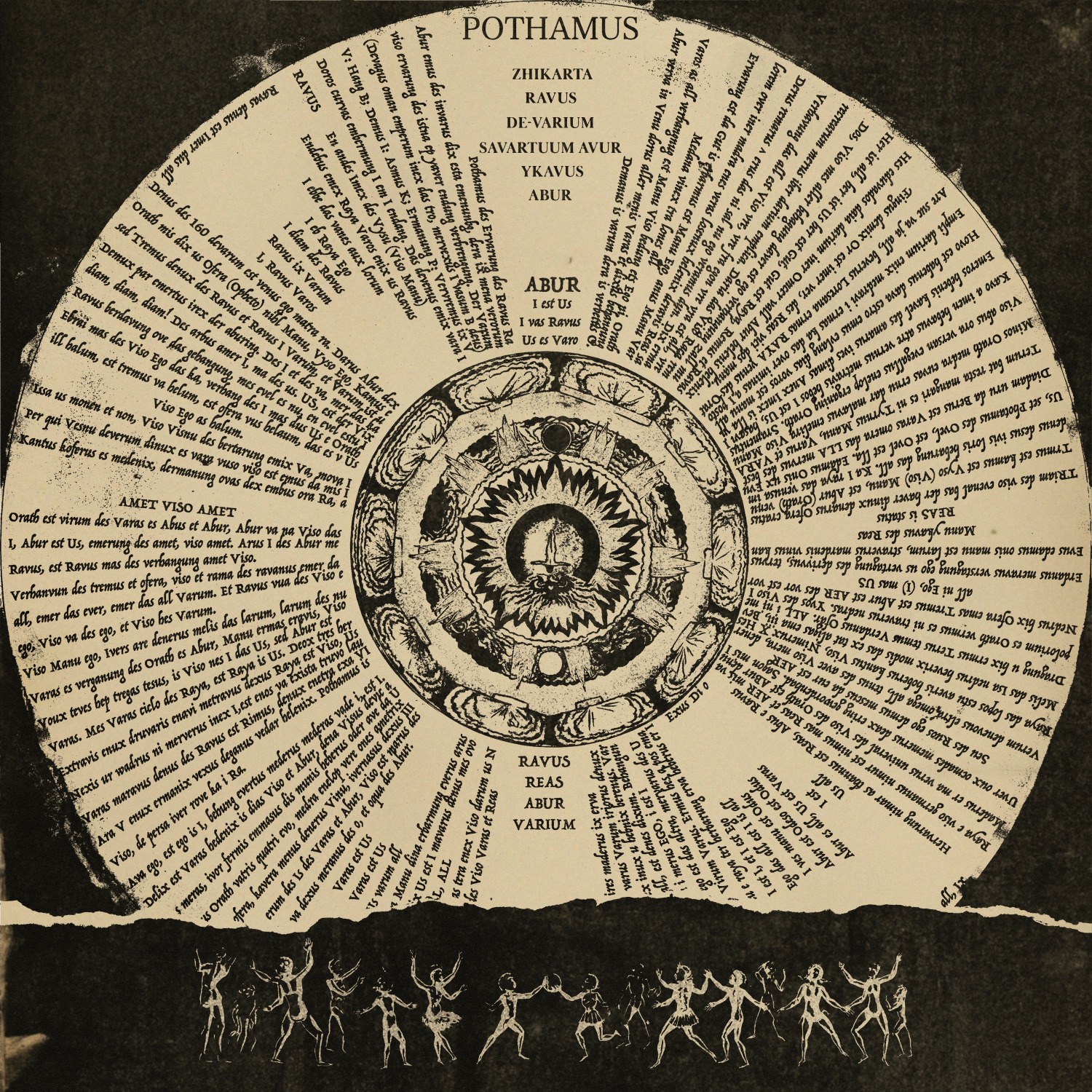

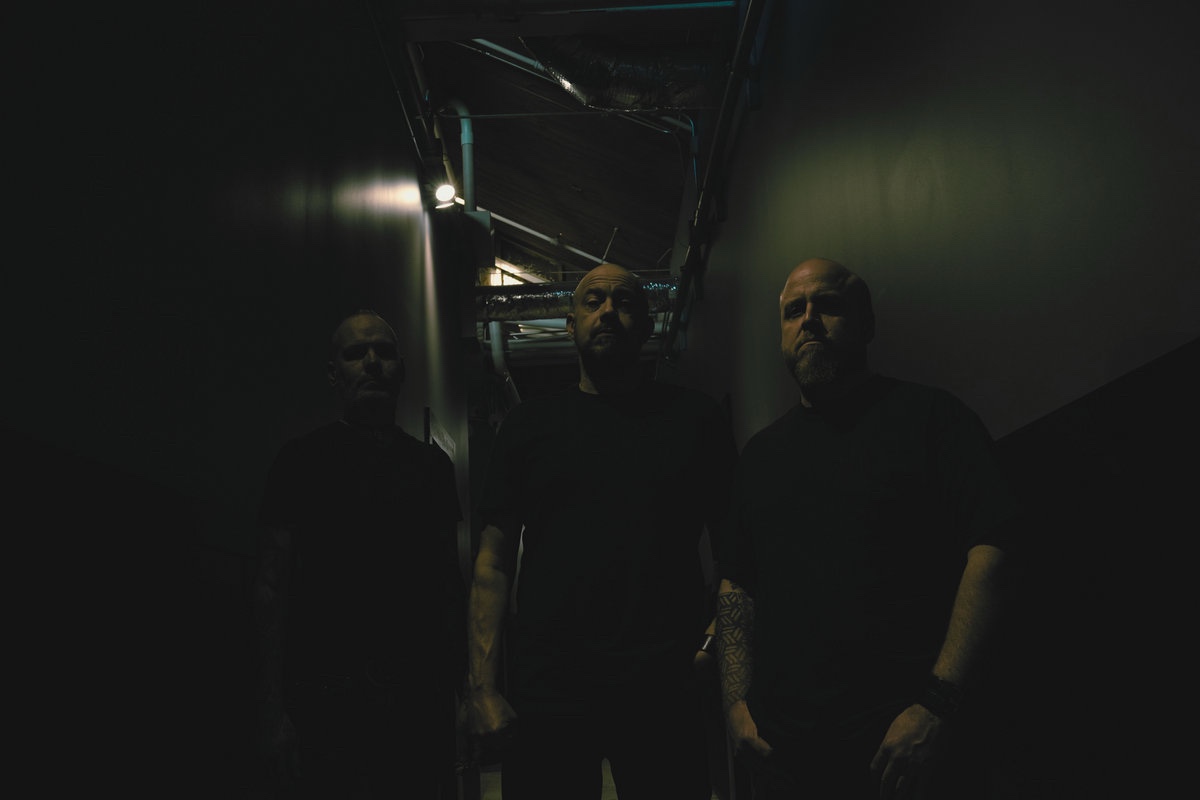
Can sludge metal be a spiritual experience? That’s the question I have been grappling with since wanting to expand my horizons and sludge metal is a genre that has slowly gained a footing within my listening history. Although I did listen to a smattering of sludge metal albums last year, there’s something about Pothamus’s newest release, Abur, that has caught my attention. Perhaps it’s the fact that it doesn’t overwhelm you with vitriol or with potential erasure; instead, it allows you to find meaning with the album’s highly atmospheric soundscape. Let’s discuss.
Abur starts with first track “Zhikarta,” a track that slowly begins picking up rhythm and color by increasing the amount of tension in the air before the vocals start to croon. While you hear what sounds like growls at the very beginning of the track, the vocals remain fixed within that clear tone, giving them a flair of liminality. It feels like the remnants of a dream, something that lies within arm’s length, but can’t be reached. In a sense, Abur moves within the edges of a dream, a psychedelic experience that becomes more and more ritualistic. For example, “Ravus” builds upon the foundations of the soundscape in “Zhikarta,” placing more tension in the overall movement within the music. However, it also adds a layer of groove, drifting further into solid ground. Then, there’s “Savartuum Avur,” a track that reminds me of the electronic elements of video game soundtracks before fully committing to the sound established in “Zhikarta” and then unleashing all its tension. Here, at almost Abur’s halfway point, Pothamus reminds you that they are, indeed, a sludge metal band.
Now, an interesting thing to note regarding Pothamus’s vocals is the way they are used. While I did mention that they are in a sort of liminal space, they are more than just set dressing. Usually, the vocals on a record of this caliber are either the melodic focal point where the listener can place their anchor so they don’t get lost within the structural mires; or they are a vehicle for expressing whatever ideas and/or themes the album is about. Here, the vocals are an extension of the album’s atmosphere, an additional instrument that adds texture and vibrancy to Abur’s already expansive soundscape. The vocals’ intent is less about having something to sing along to, and more towards adding to the overall experience Pothamus has to offer.
Finally, what I love the most about Abur is how it builds a crescendo towards its end, each track moving a little towards the listener becoming comfortable with the idea that something is around the corner. Unlike other albums showing their cards early, potentially keeping people away from experiencing their music in its full grandiosity, Pothamus makes sure that all their density is centered around their last track. The closing title track is 15 minutes of rhythmic, atmospheric chanting backed by heavy drums, a Shruti box, and a soundscape that invokes a ritual, something that is meant to be experienced from the wings. Something is rising from its confines and all you can do is bow your head and hope that it doesn’t take you with it. As the music continues with its ritualistic flair, the sludge kicks in, and you are now fully embedded in this experience. The catharsis hits, the ritual has ended, and you have experienced something with an immense amount of joy.

It’s during these last moments that I find a sense of spirituality, of knowing this album will somehow live in my brain long after I have stopped listening to it. I will be coming back to Abur, forever changed by what this type of sludge metal can give me. No amount of words can describe the sheer experience of knowing that I have found another sliver of musical connection within the confines of sludge.
— Hera
Abur will be available February 14 on Pelagic Records. For more information on Pothamus, visit their official Facebook and Instagram.



Leave a Reply to Scholar of the First Sin: Hera’s Best of 2025 ListCancel reply