
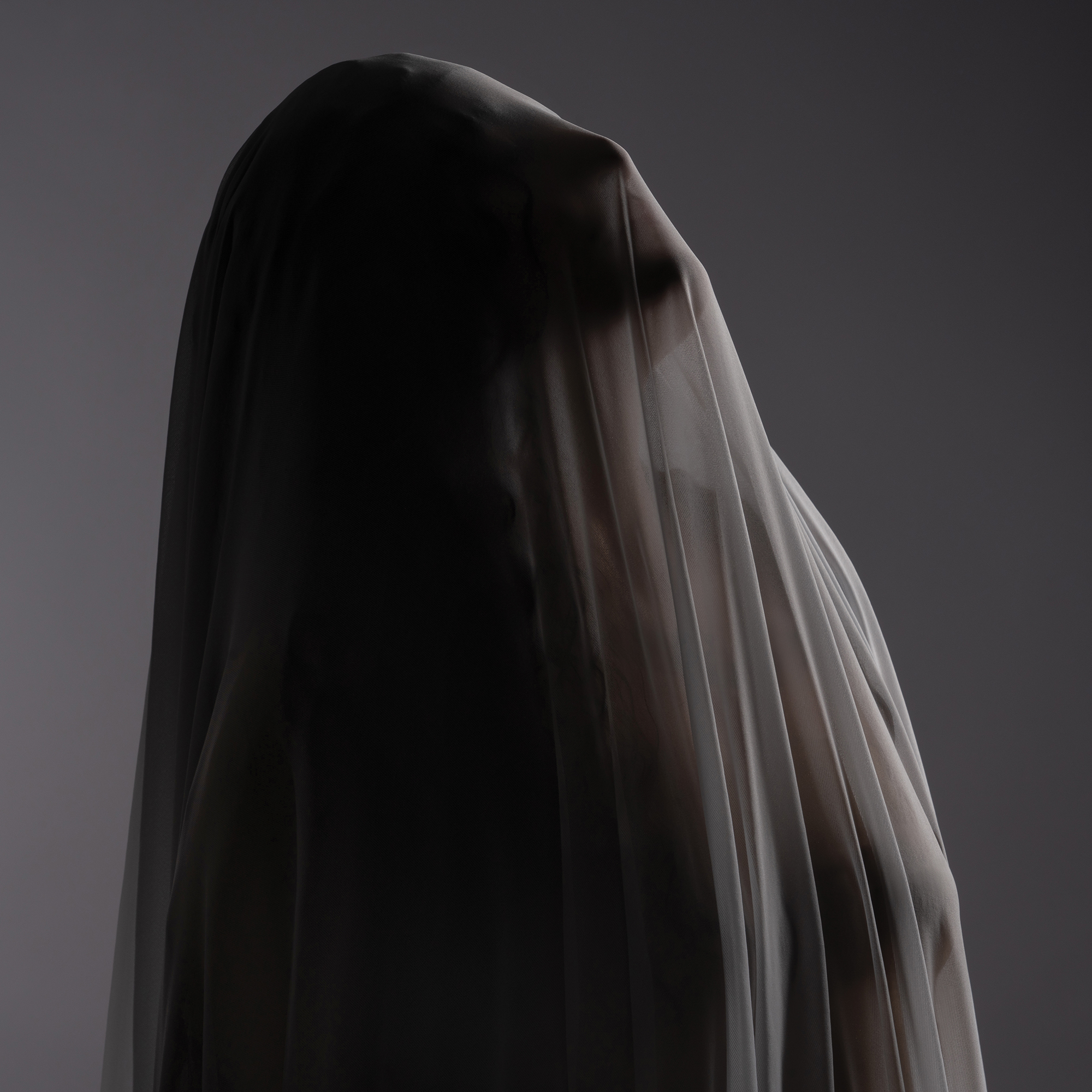

When Mothers Weavers Vultures came out way back in December of 2020, I picked it up to review, on a total whim, and found myself blown away by Grayceon’s inventive take on the power trio format, and with frontwoman Jackie Perez Gratz’s powerful vocals and gorgeous cello playing. And wouldn’t you know it, since we already had a dose of cello this week, it seems practically serendipitous that we get Then the Darkness this week. Side note: I wish to god the title of this album was also the order of the bill on their hypothetical tour package. Imagine somber, emotional cellos and plaintive vocals followed by Spandex, Aquanet and ~I BELIEVE IN A THING CALLED LOOOOOOOOOOOOOOOOVE~. Perfection itself.
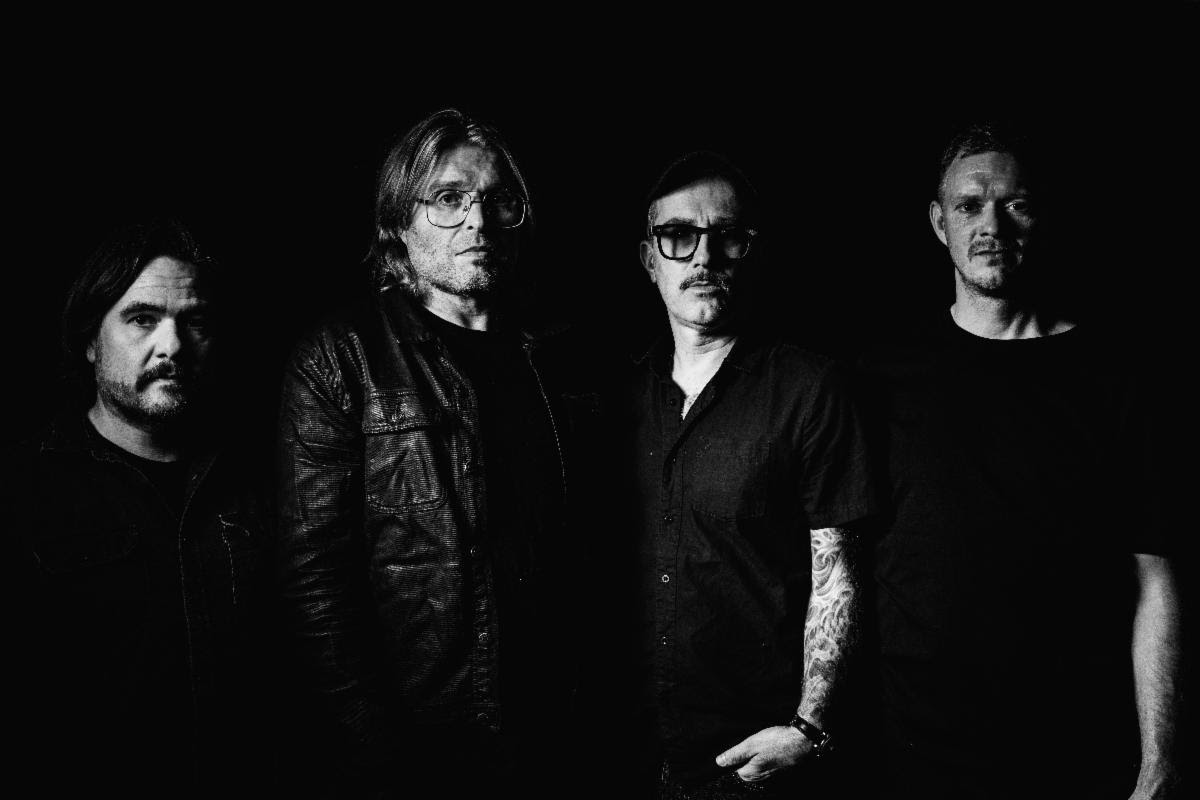
“Then the Darkness is about survival,” says Gratz. “It’s about coping with the grief that comes after your world falls apart. These songs aren’t trying to fix anything – they’re just sitting in the aftermath of a life-changing event, trying to figure out what it means to keep going.” So right off the bat, Then the Darkness is a lot…well, darker than Mothers. Angrier too, even: this is a sort of stream of consciousness record, where no emotional chasm is left unexplored or deemed off limits, and the songs themselves were written in the order they appear on the record. The riffs are much meaner and more abrasive, courtesy of guitarist Max Doyle, whose melodic interplay with Gratz’s cello forms the signature of Grayceon’s sound. There’s even a more than copious amount of harsh vocals this time around, which came as a pleasant surprise to me considering there wasn’t much of that to be found the last time I listened to the Bay Area trio. Of course, this is progressive music at its heart, so mutation and transition are the names of the game, and it’s in the increased contrast in dynamics that Then the Darkness really shines. The one-two punch of openers “Thousand Year Storm” and “One Third” kicks the album off with some of truly killer riffs courtesy of Doyle, anchored by Gratz’s counterpoint and harmony on the cello and her emotional mix of crooning and retched shrieks. These moments of naked aggression are tempered, however, with the evocative and meditative segments where the cello shines as the main instrument, where Doyle and drummer Zack Farwell dial back and lean into supporting the melodic lines laid down by Gratz. It’s certainly not a gimmick, but anyone familiar with the band knows that the cello is the main draw, and if you aren’t incorporating these sections into music that features a cello, uh, what are you even doing? Still, it’s a nice break from the bleakness of the main sections of Then the Darkness, and of course, if you have Jack Shirley producing the thing at the legendary Atomic Garden, you know it’s going to sound killer.
My main disagreement with Then the Darkness, however, is that the nature of the album’s unfolding cuts both ways. Then the Darkness is a behemoth of an album, eleven tracks long, most over five minutes and, while arguably the centerpiece of the album, two well over ten minutes. It’s honestly a lot to sit through, and while I find no fault in the songs themselves (the extended compositions on their own are especially moving) there needs to be some cuts to make this album as a whole more focused and less sprawling. Chopping out the twenty minute “Mahsa”, the twelve-point-five minute “Forever Teeth” and, yes, the title track that sits in the middle of them and just making that it’s own EP would still leave you with a fifty-minute album that feels a lot tighter, and also a really killer EP on the side to double dip with. As it stands, that’s probably how I’m going to end up listening to Then the Darkness, to keep my attention focused where it needs to be.

Still, it’s hard to complain when the songwriting and execution are this good. Each song has an identity of its own existing in the tapestry of the album, and there’s lots of little moments that I keep catching on repeat listens. There’s no chaff to be found here, but it would have been nice if this were two releases instead of one. Still, more Grayceon is never truly a bad thing at the end of the day.
— -Ian
Then the Darkness is available now on Translation Loss Records. For more information on Grayceon, visit their Facebook page.


Leave a Reply